Before & After: What You’re Really Seeing

Pretty photos are expected now.
Golden light, soft warmth, clean edits, we scroll past beautiful images every day.
So when I show a “before and after,” I’m not showing you a transformation to impress you. (Or maybe I am ;)
I’m showing you context.
Because the truth is — the magic was never in a preset.
It started long before the edit.

The afternoon I took these photographs, the light was gentle but quiet. The kind that doesn’t demand attention. It filtered through the trees and settled softly over the farm road. Dust rose lightly under hooves. A dog wandered ahead. It was peaceful, ordinary, honest.
In the unedited frame, that’s exactly what you see. Neutral tones. Balanced exposure. A calm, almost understated moment.
But when I press the shutter, I’m not capturing what it looks like. I’m capturing what I know it can become.
White horses are beautiful — and unforgiving. Their coats reflect everything around them. Too much exposure and they lose detail. Too little and they feel flat. So I protect them. I hold back the highlights. I preserve every bit of information in the file. It may look muted at first glance, but it’s intentional restraint.
Because I don’t shoot for instant impact, I shoot for depth.
When I begin editing, I’m not adding something artificial. I’m revealing what was already there. The warmth of late afternoon becomes more present. The earth deepens. The trees grow richer. The light wraps instead of sits. And suddenly the image feels less like a photograph and more like a memory.
That’s the difference.
The same is true in the portraits.
In the unedited version, the tones lean cool. The background greens are strong. The scene feels shaded, almost flat. The connection is there — but it doesn’t yet breathe.
Editing is where I guide the eye gently back to what matters.
Skin warms without turning orange. Whites stay clean without becoming sterile. The greens soften into earthy tones so they don’t compete. Shadows are shaped carefully so the subjects feel dimensional, not cut out.
Most people assume this step is about style, it isn’t. It’s about intention.
Every environment carries a colour cast. Trees reflect green into skin. Dry grass throws warmth upward. White coats mirror everything around them. If you don’t understand how light behaves, you end up correcting symptoms instead of causes.
Experience is knowing what to adjust — and what to leave alone.

When I’m photographing, I’m already thinking ahead.
I’m watching how the light moves across a face. I’m noticing how dust in the air will catch golden tones later. I’m positioning bodies in a way that will allow shadows to fall naturally instead of heavily. I’m exposing in a way that protects the integrity of the file, because editing should refine, not rescue.
There’s a quiet discipline in that.
It’s easy to overdo warmth. Easy to crush blacks for drama. Easy to follow trends. But timeless work requires restraint. It asks you to stop just before it becomes obvious.
And that line — that invisible line between “beautiful” and “overdone” — only comes from doing this over and over again.
From photographing animals that don’t pose. From working in shifting outdoor light. From understanding how to protect detail in white coats while maintaining softness in skin, it's technical, yes.
But it’s also emotional.
In the image of the walk down the road, I didn’t just warm the frame because golden tones are popular. I leaned into warmth because the moment felt grounded. Familiar. Like something that happens every day but will one day be missed.
Editing should echo the feeling of the moment — not override it.
That’s storytelling.
Not through props. Not through trends. Through tone.
When you book me, you’re not booking an hour with a camera, you’re booking someone who sees the finished image before it exists. Someone who photographs with the edit in mind. Someone who protects your moments in-camera so they don’t need to be artificially repaired later. Someone who understands how to handle light, colour, and texture in a way that feels honest and elevated at the same time.
You’re booking thoughtfulness.
You’re booking experience.
You’re booking the quiet work that happens long after the session ends — the refining, the balancing, the shaping — until your gallery feels cohesive and intentional from beginning to end.
Not trendy, not over-processed, not dependent on a filter, but grounded. Emotional. Timeless.
Pretty photos are expected, context is what differentiates and once you begin to see the context behind an image, you’ll never look at photography the same way again.
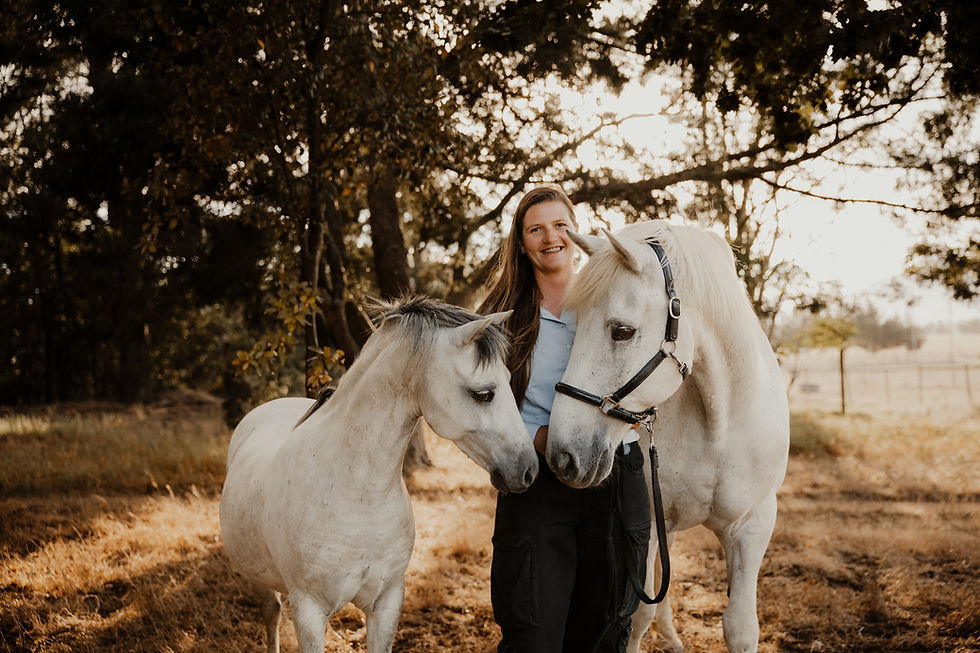
And one more thing — no matter how advanced technology becomes, AI cannot give you this. It cannot feel the dust lift under hooves. It cannot read the shift in light through trees. It cannot anticipate the quiet glance between you and your horse before it happens. It cannot protect highlights in real time or adjust its position by instinct. AI can generate an image. It cannot witness a moment. What I give you is not manufactured — it is observed, anticipated, and intentionally captured. It is real light, real connection, real presence. And in a world increasingly filled with artificial perfection, there is something powerful about choosing what is true.


Comments